About trialport
Find a clinical trial. Understand what it could mean for you.
Clinical trials can offer hope, new options and a possible new direction. trialport helps you find clinical trials that matter to you and see what taking part could mean for your health, your time, your family and your everyday life.
Why we built trialport
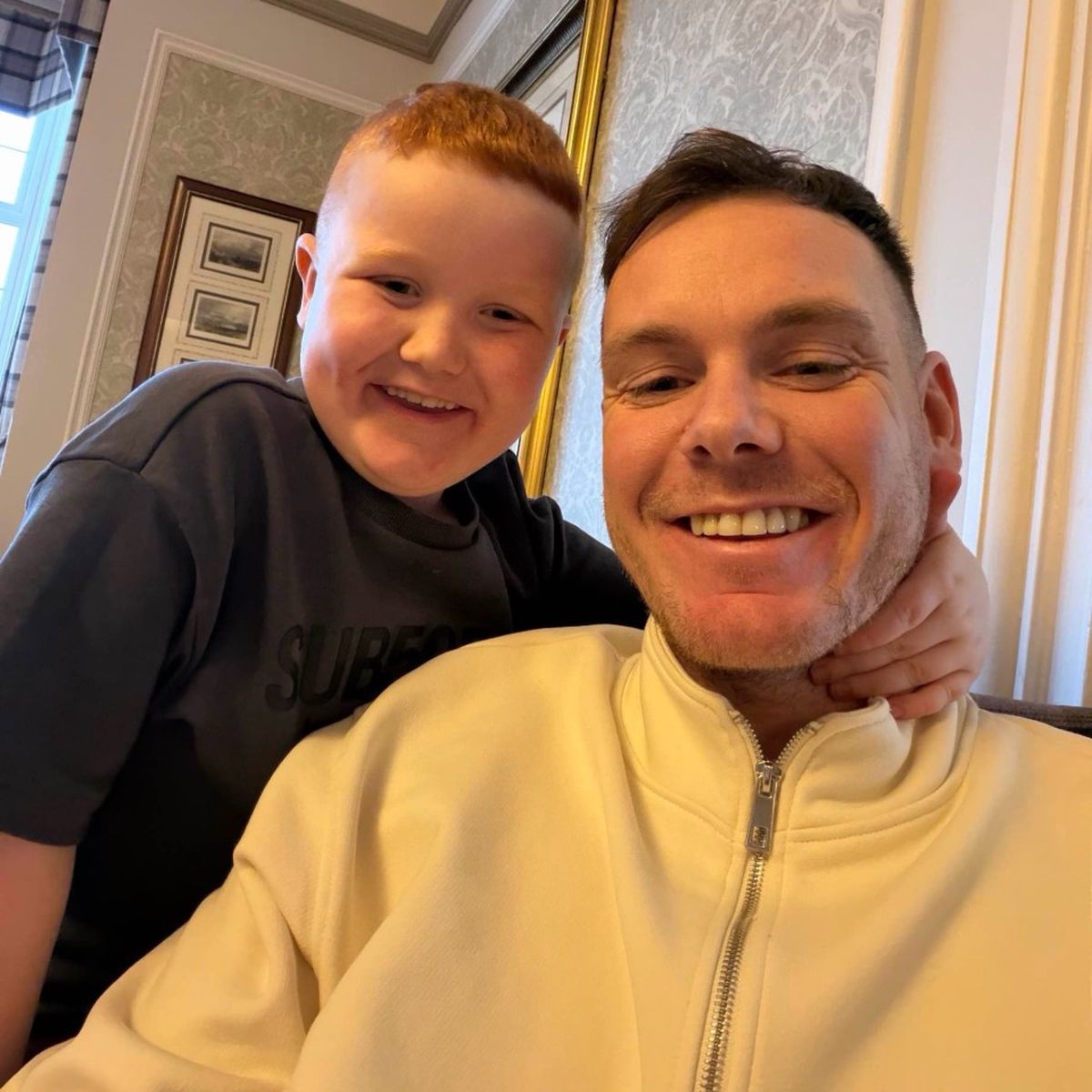
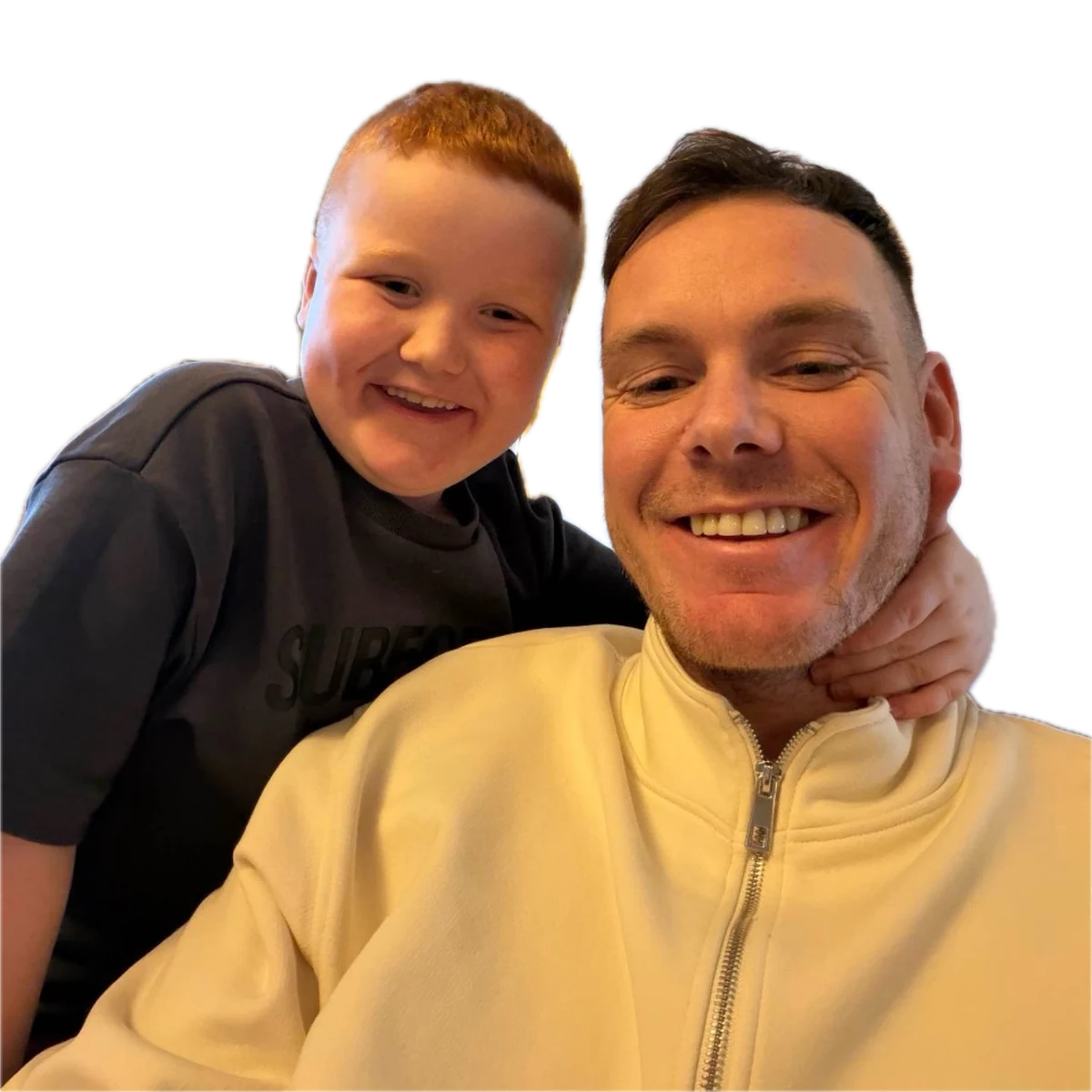
trialport began with a very personal need. Our founder searched for a clinical trial during a critical moment in his own health journey and quickly saw how hard it can be to find clear answers: what options exist, what may be relevant, and what taking part could mean for his and his family’s life beyond the clinic. The story began much earlier, though.
At the age of 11, he lost his best friend, Sylvester, to sickle cell disease. Sylvester was full of life and was taken far too soon, at a time when there were few treatment options available. Almost 40 years later, progress in sickle cell disease shows what research can make possible. People who once had few options may now have real hope. trialport was built to help more people understand clinical trial opportunities, consider what they could mean for their health and their lives, and make a decision that feels right for them.
What we believe
Understanding should come before any decision. A person may find a clinical trial and still be unsure whether it fits their condition, their daily life or whether they feel ready to take the next step. trialport helps people look at the whole picture. Our plain-language summaries alongside the medifit + readifit self-reflection tools help people consider both health fit and real-world fit. We do not make the decision for you. We help you understand what you may need to ask, discuss and consider.
Our Operating Principle
Understanding comes first. Decisions follow.
Our Mission
To give people the understanding and support to make informed decisions about clinical trials and the confidence to choose what is right for them.
Our Vision
A world where clinical trials are routinely considered as part of the care conversation.
Our Values
The choice is always theirs
We see whole person
Technology should feel human
We listen, learn and improve
We work in partnership
Our Purpose
We are not here to persuade anyone to join a clinical trial. We are here to help people understand their options, so that whatever decision they make is informed and confident.
The team behind trialport
We know from decades of experience that the platform has to feel safe and human for people, useful for communities, credible for research sites and practical for biopharma and CRO partners. We have built trialport carefully, and we will keep improving it with the people who use it: people living with a condition, caregivers, communities, sites and study teams. Better understanding is the starting point. Listening, learning and improving are how we make that understanding more useful over time.
Board
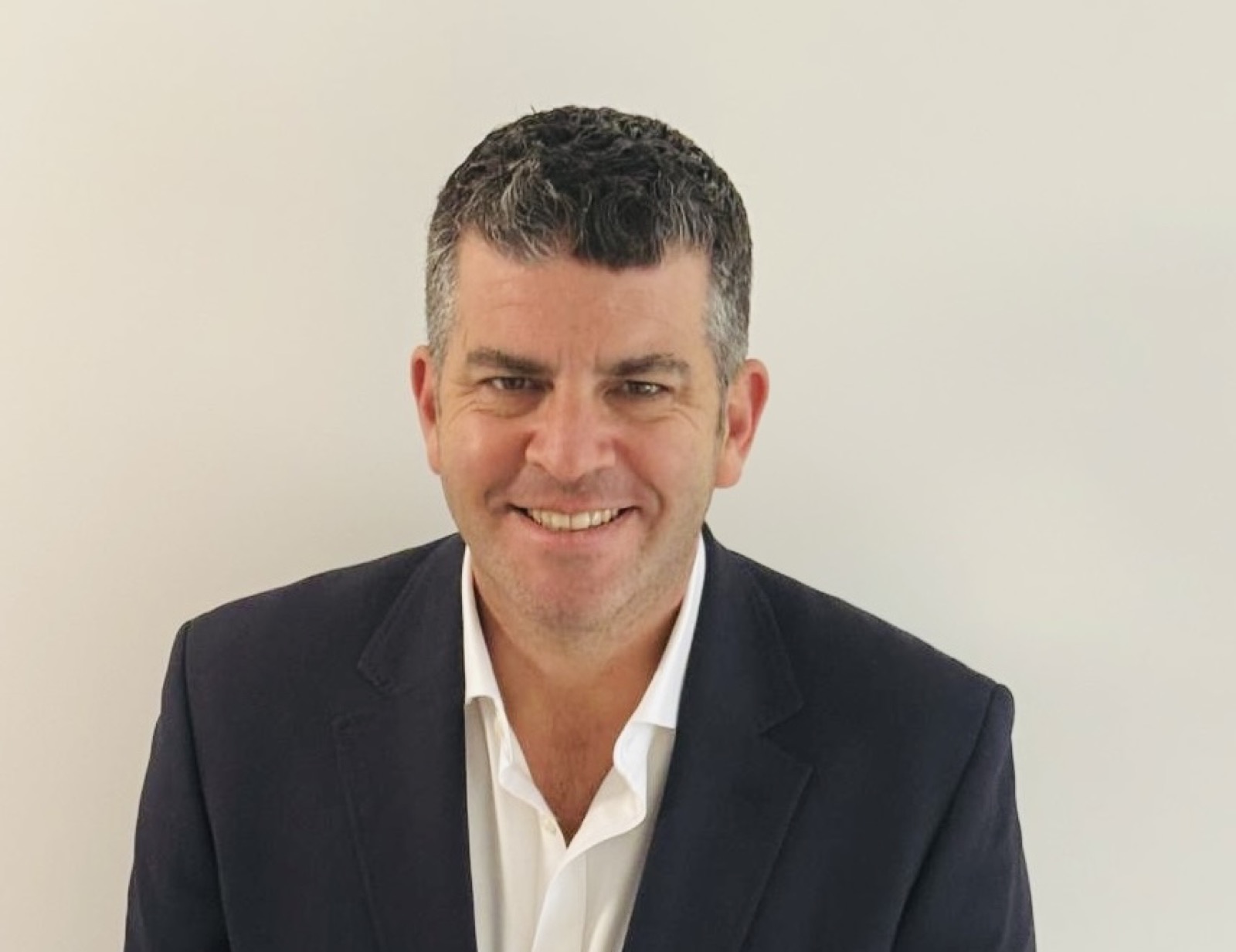
Keith Berelowitz
Founder & CEO
Spent 25 years inside clinical trials, then experienced the system as a patient and decided it needed to work differently.
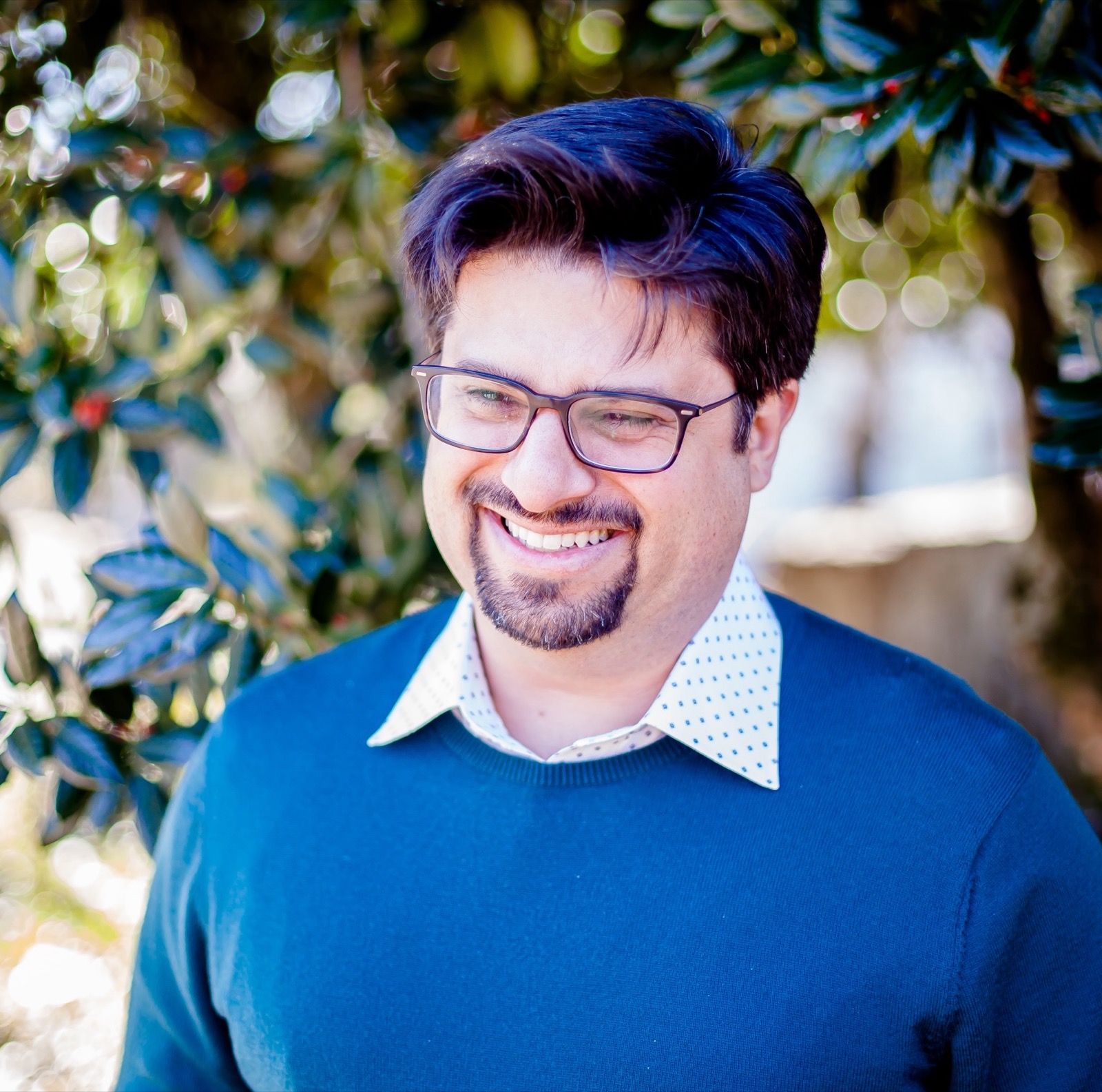
Daniel Graff-Radford
Board of Directors
A technology operator who has spent two decades scaling software companies, with an instinct for making complex things simpler.
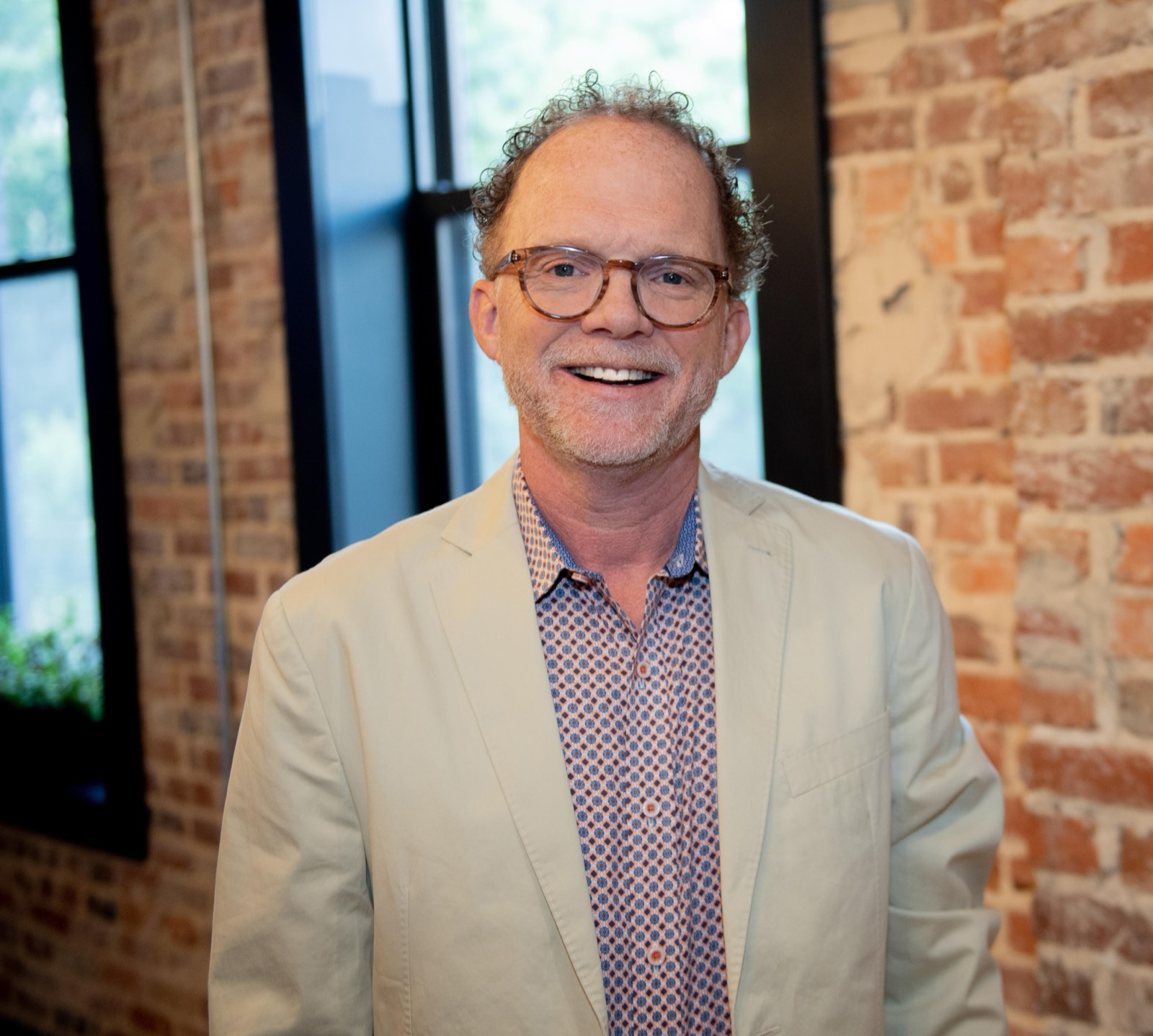
David Guthrie
Board of Directors
A technologist who has built and scaled major healthcare and enterprise platforms, and knows what technology has to withstand when companies grow.
Senior leadership team
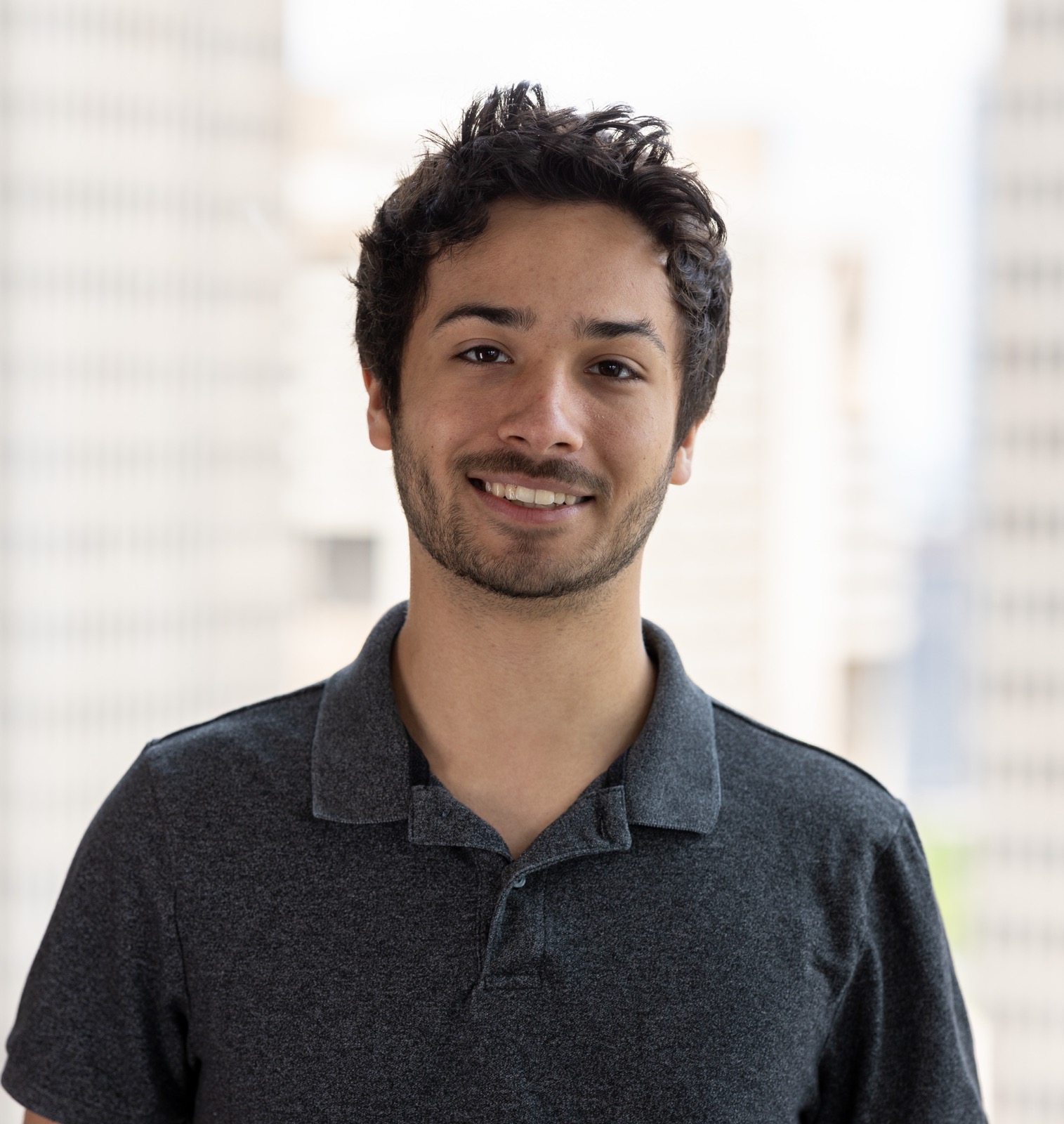
Ethan Graff-Radford
Co-Founder & Head of Product
A product builder focused on turning complicated clinical trial journeys into experiences people can actually understand and use.
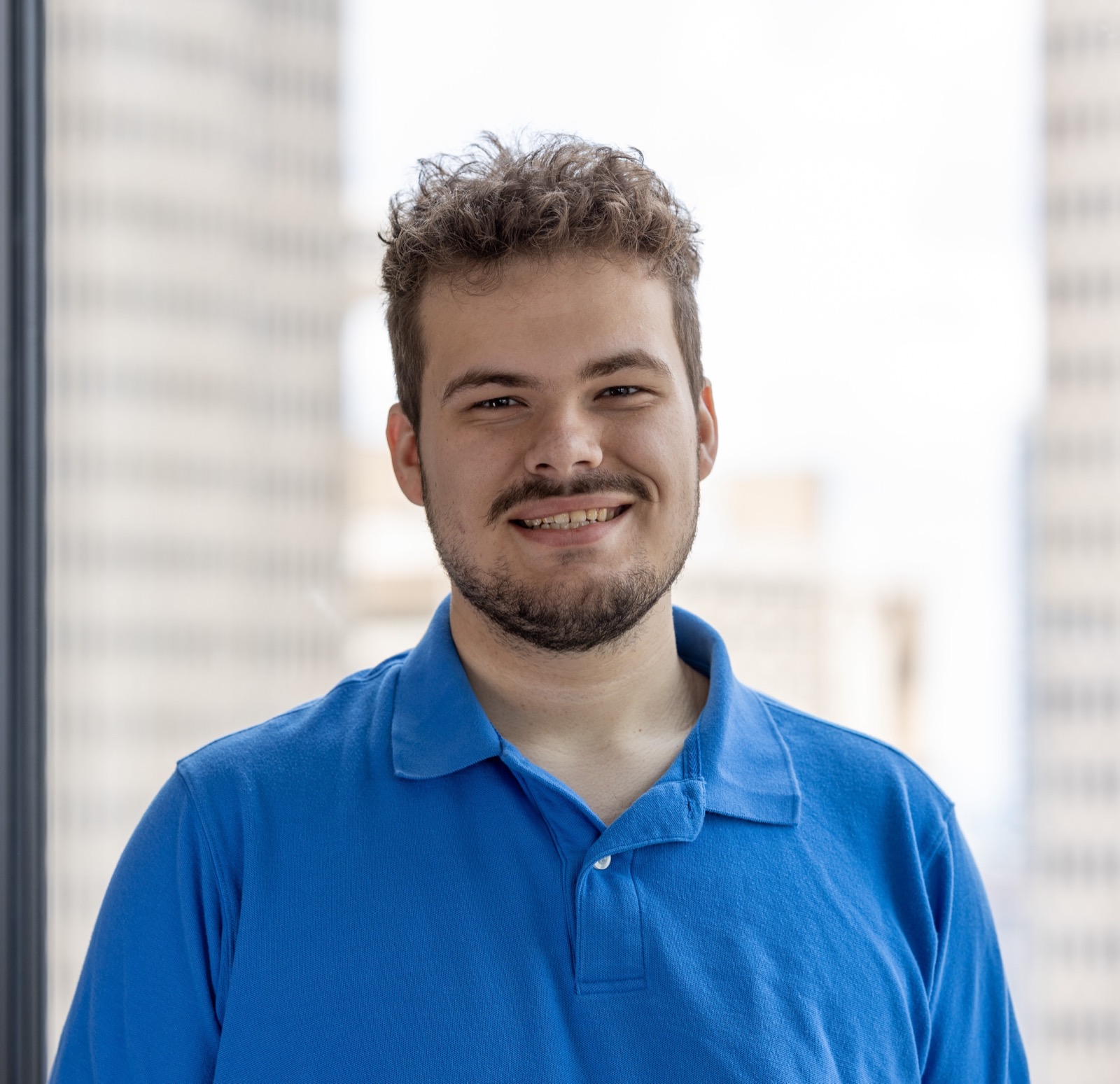
Charlie Myrick
Co-Founder & CTO
A master engineer who has taken technology from startup to scale, with a particular eye for architecture, security and systems that have to hold up.
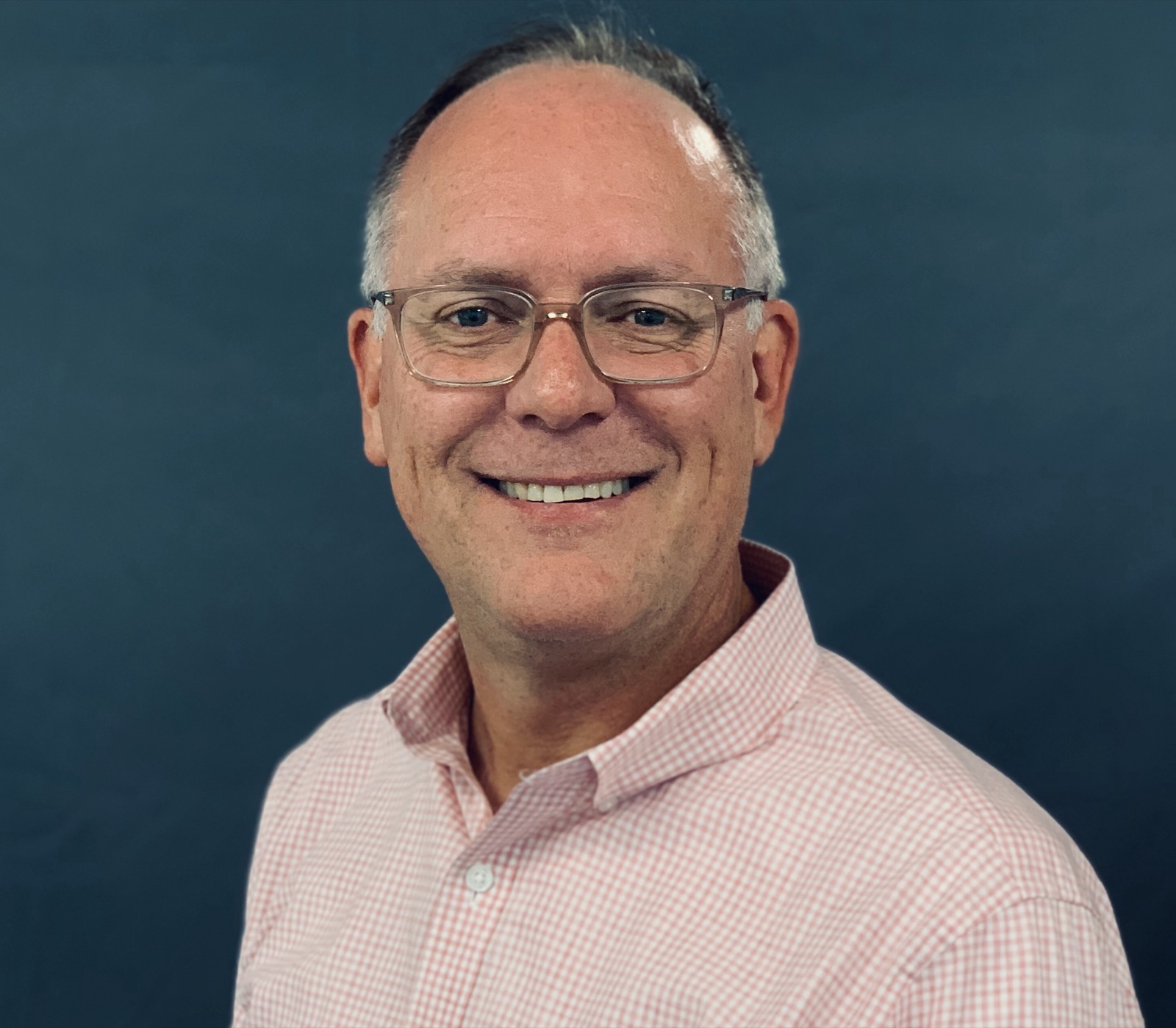
Jeffrey Cehelsky
Chief Operating Officer
A biotech operator who has worked across drug development, alliances and company building, and knows where strategy has to become execution.
Team spotlight
-

Caleigh Haber
Community & Brand Strategy
Shapes how trialport shows up in the world, turning strategy into a brand and community presence that feels clear, useful and human.
-
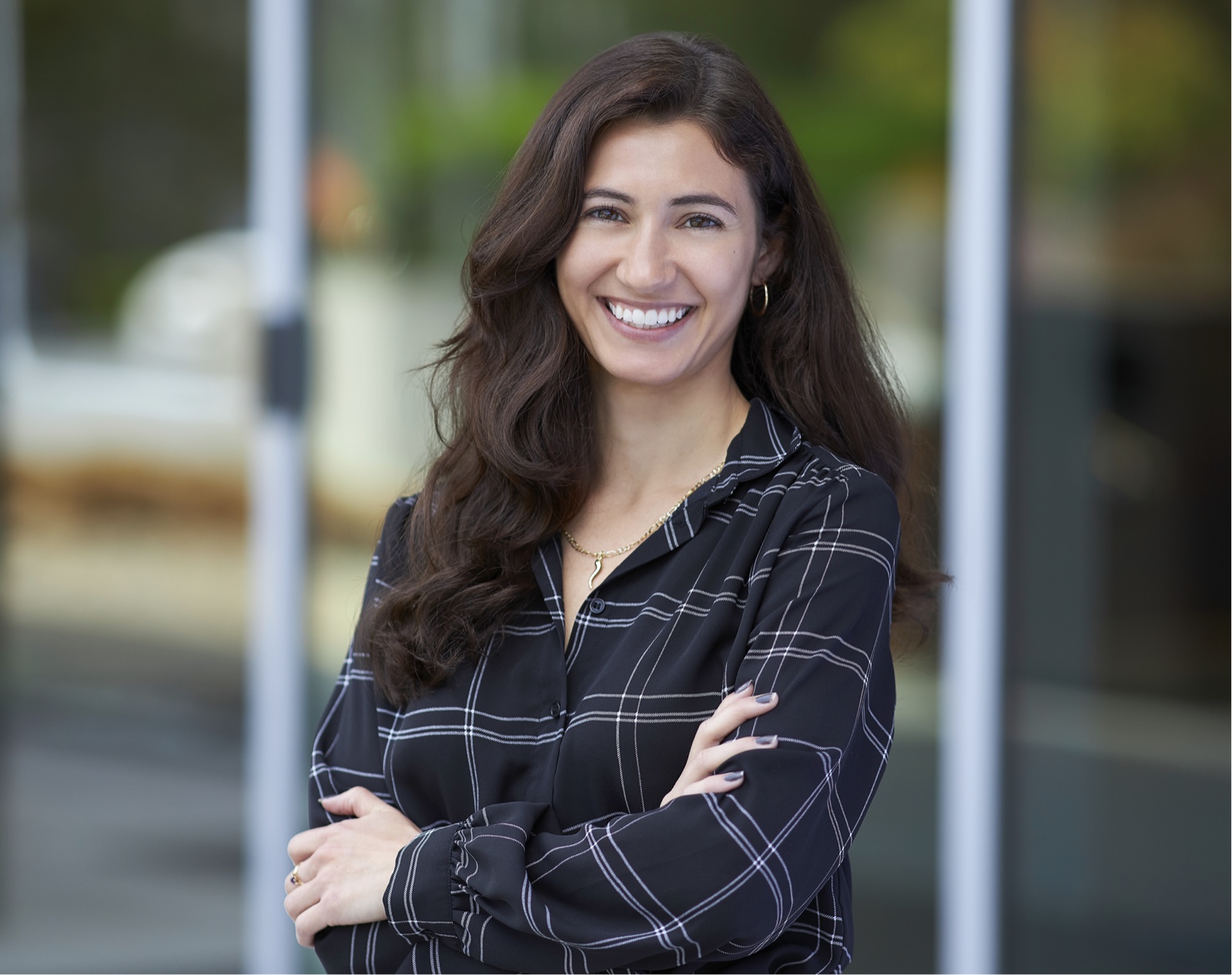
Alyssa Quicquaro
Project Manager
Keeps complex programs moving, connecting the details, people and deadlines that turn plans into something real.
-

Dr Angelika Grechnaya
Psychology & Behavioral Lead
Brings behavioral science into the participant journey, helping trialport understand not just what people do, but what shapes the decisions they make.
-
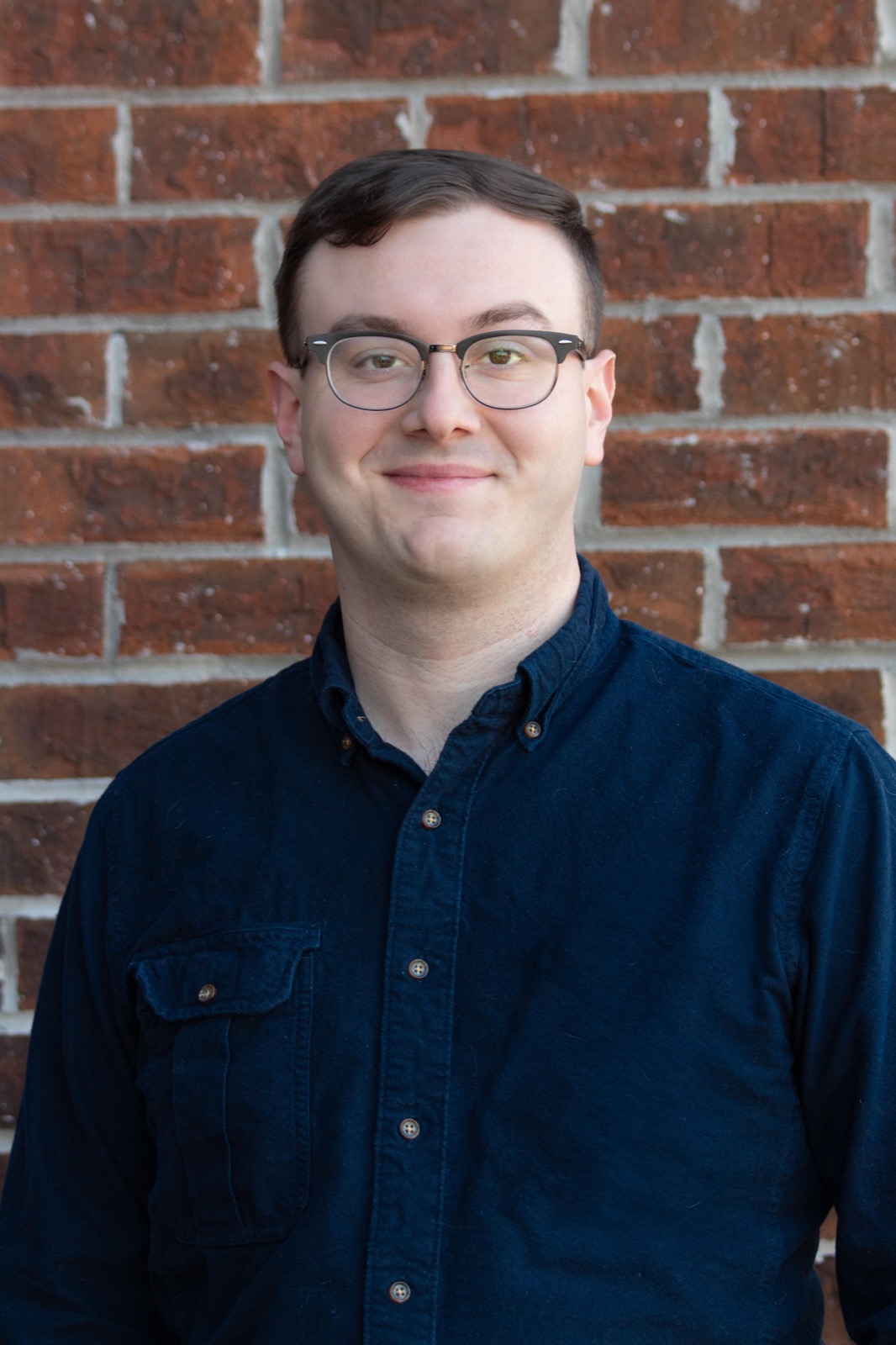
Lathe Ward
Software Engineer II
Builds the technology behind trialport, translating product ideas into software that works reliably for the people using it.
-
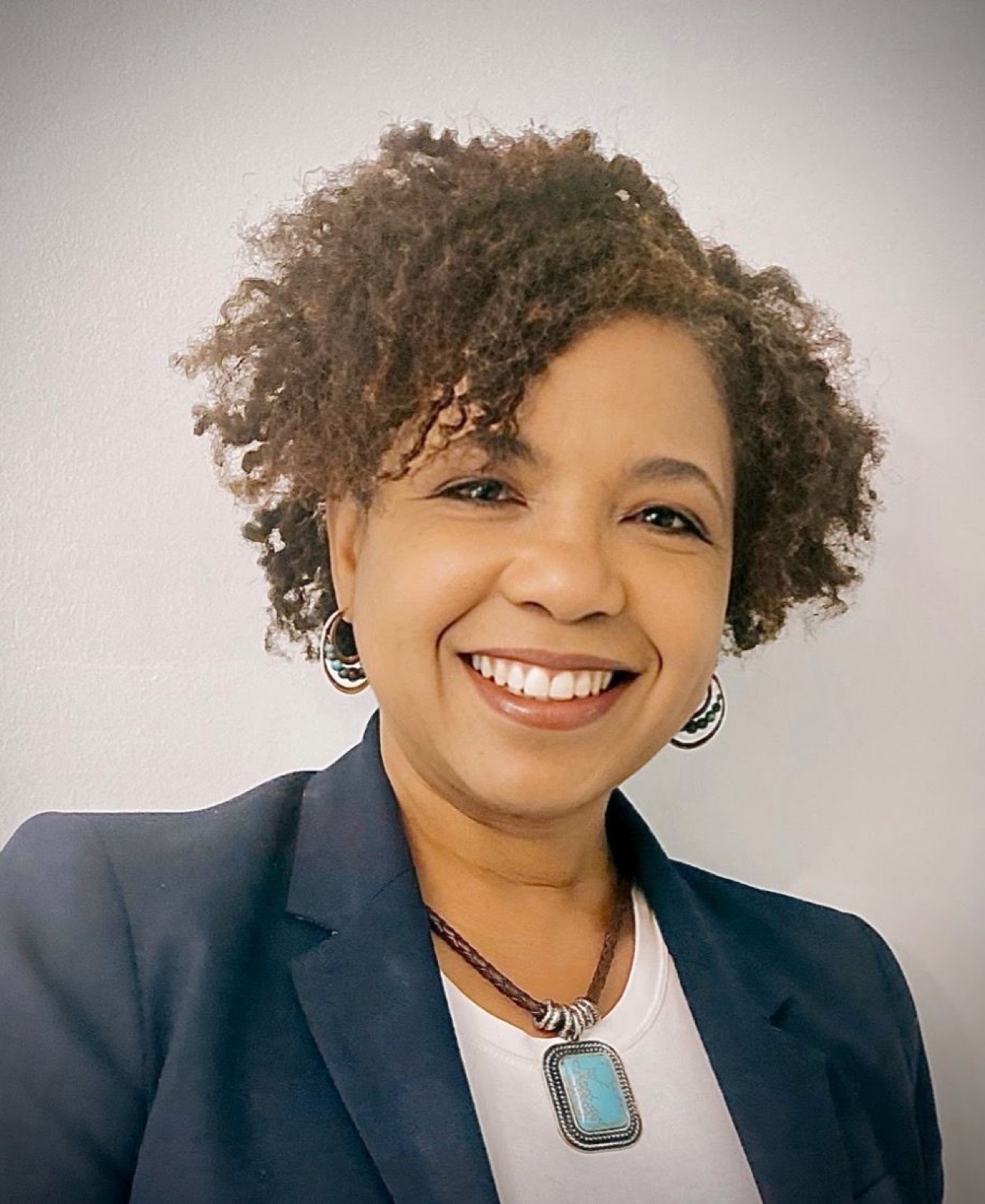
Sabrina L. Johnson
Human Resource Business Partner
Helps build the kind of company people want to do good work in, bringing structure and care to how the team grows.
-

Tyler
Software Engineer
Builds and improves the software that powers trialport, with a focus on making complex systems feel simple on the surface.
-

Sunny
Builds relationships with communities so that access to clinical trial information starts where people already feel connected and supported.
-
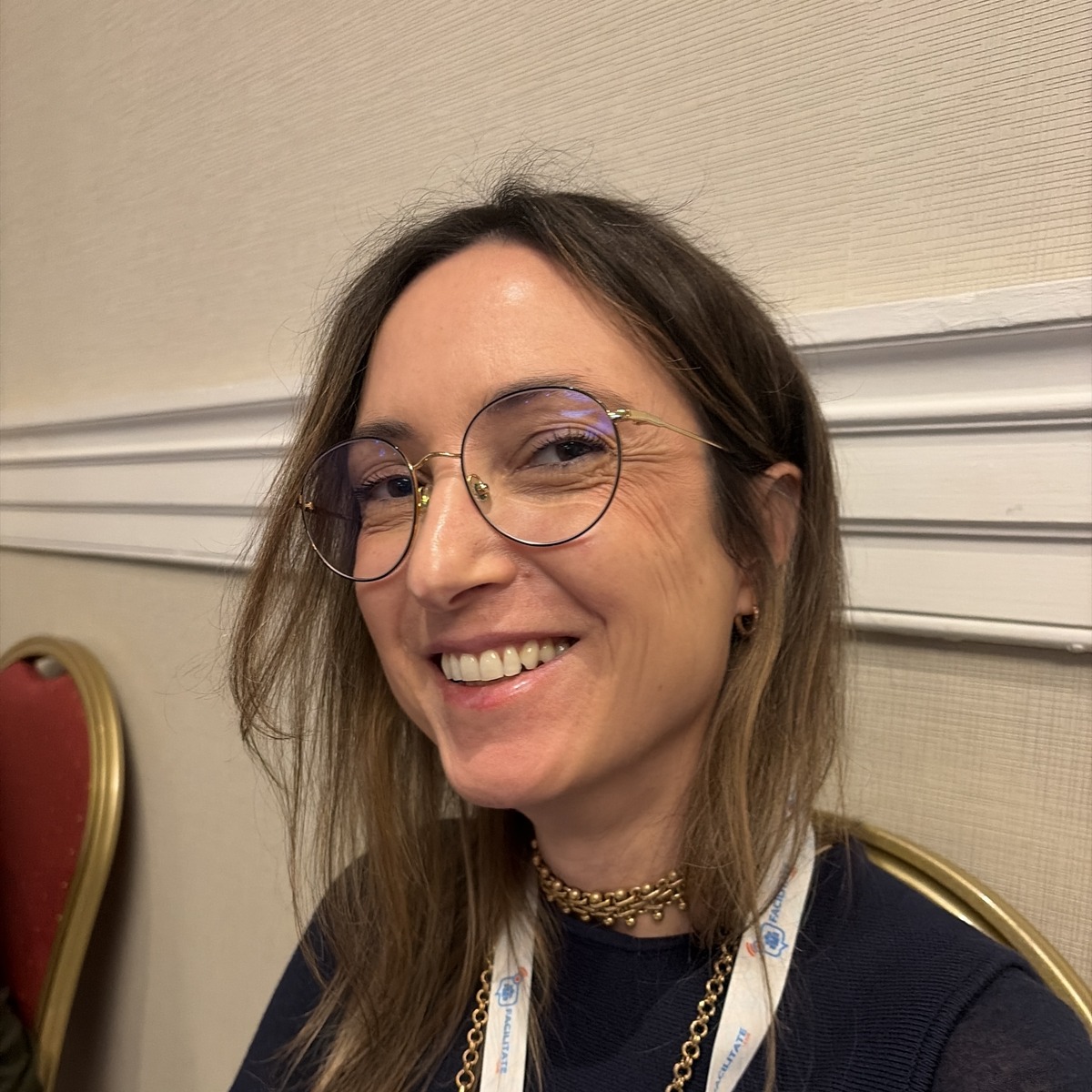
Joana
Works alongside patient communities to make clinical trial information more accessible, relevant and grounded in what people actually need.
-

Cailin
Turns moving parts into forward motion, helping teams stay aligned and programs get delivered without losing sight of the detail.
-
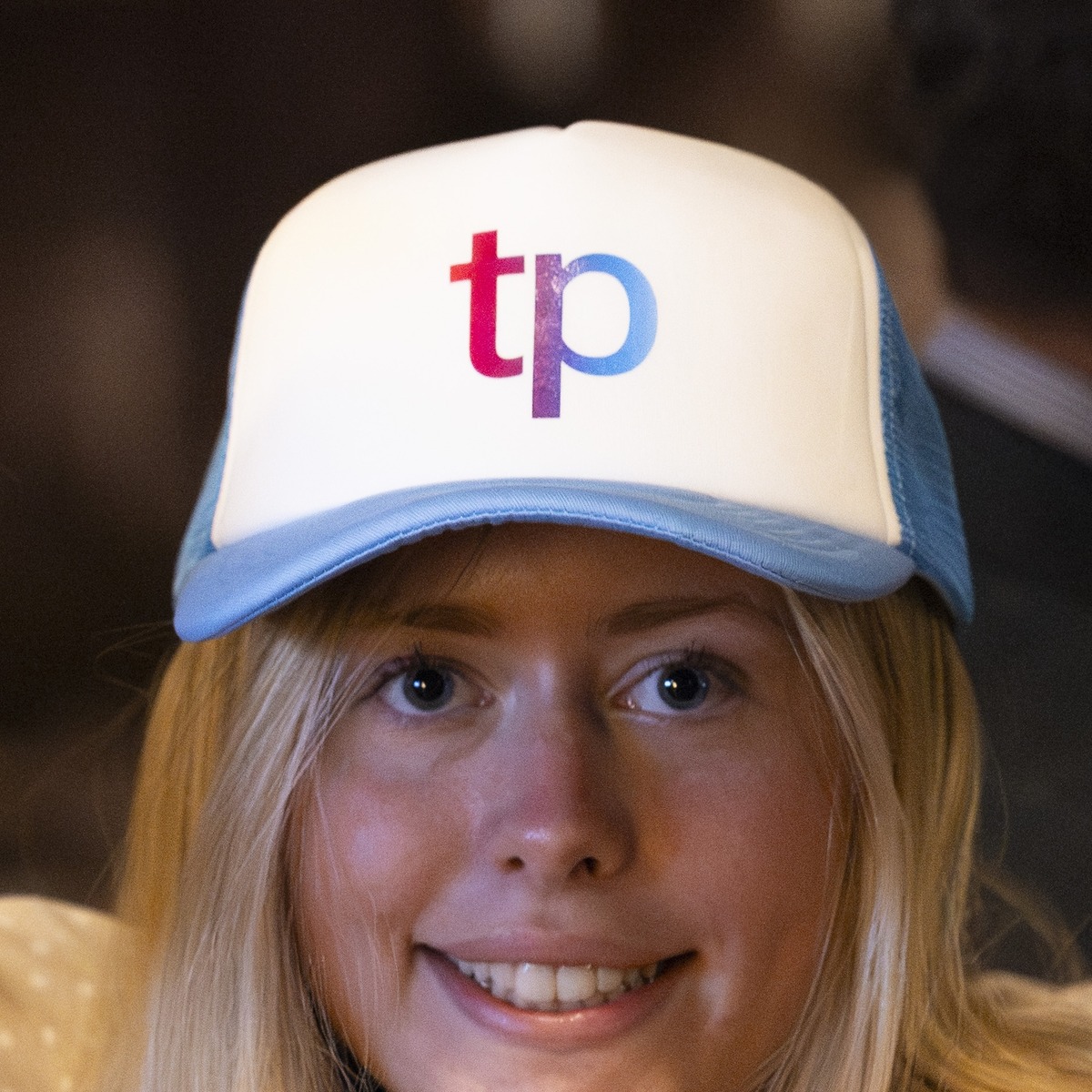
Abby
Brings a younger perspective to the trialport brand, helping shape how we speak to and involve the next generation.
Strategic advisors
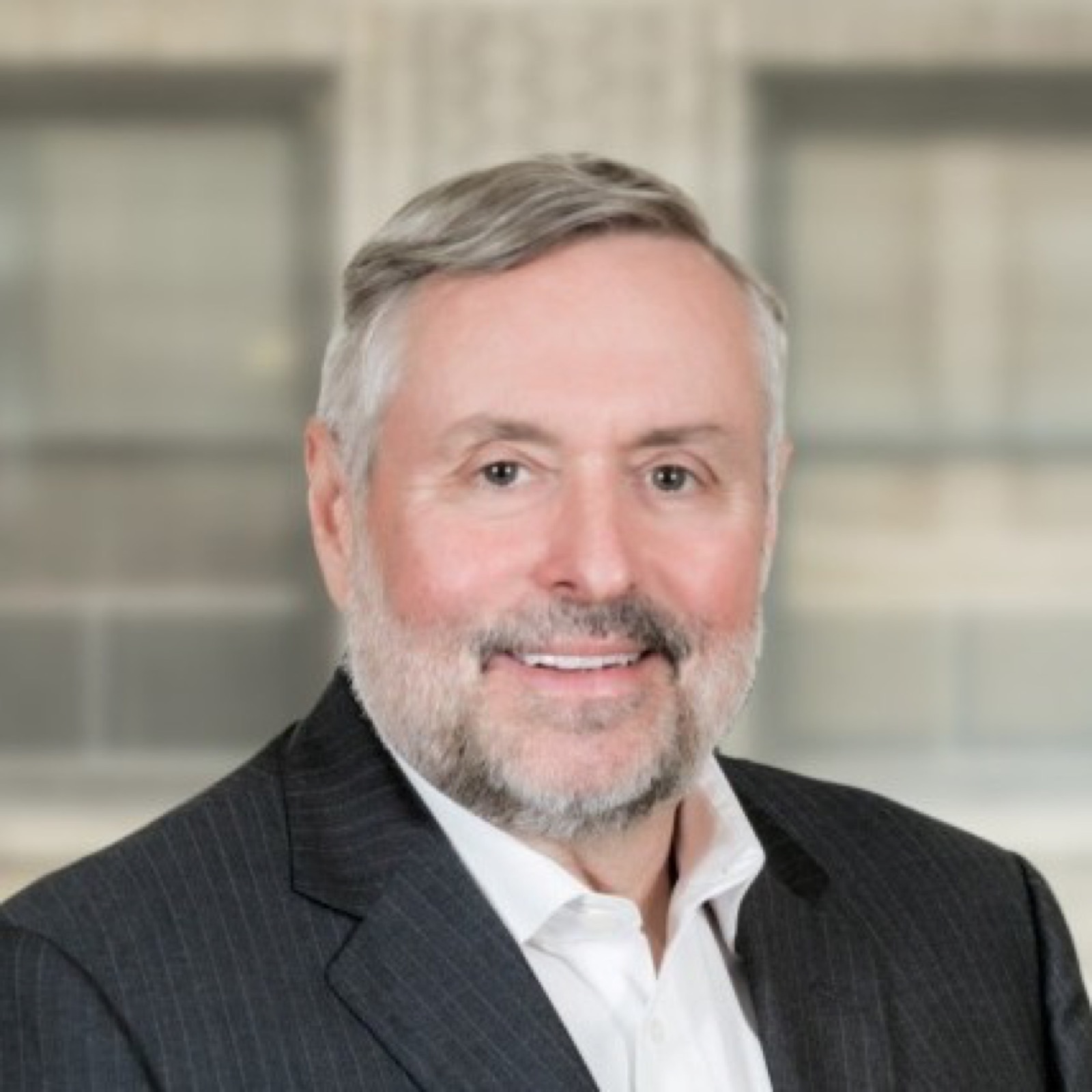
Wain Kellum
A serial software CEO who has spent three decades building and scaling technology companies, bringing a sharp eye for what turns a good idea into a lasting business.

Akshay Vaishnaw, MD PhD
A physician-scientist who helped turn RNAi from scientific possibility into medicines, bringing deep drug-development judgment to how trialport thinks about research.
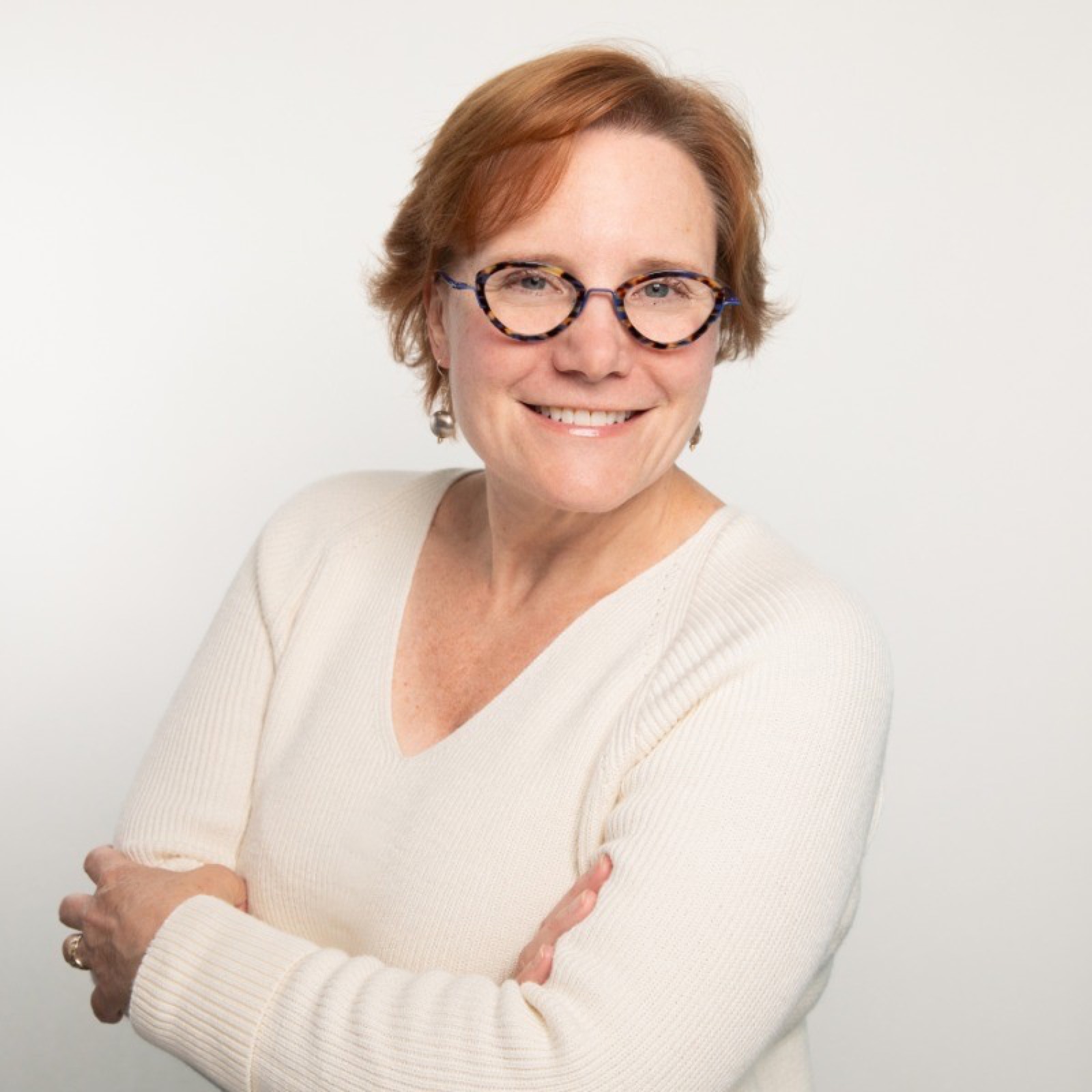
Cynthia Clayton
A biotech communications leader who has spent two decades helping complex science become something investors, companies and communities can understand.
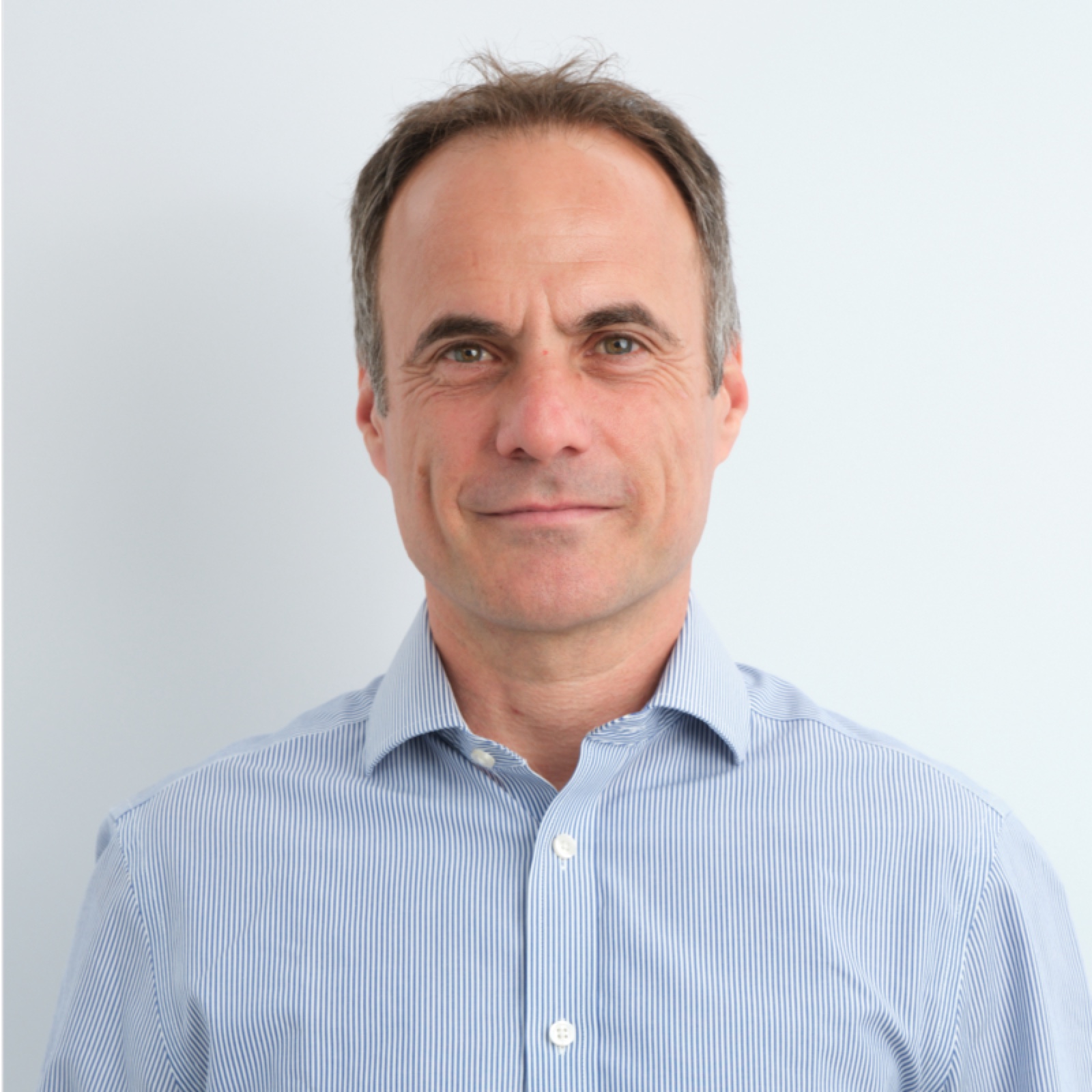
Elad Duschak
A healthcare strategist with more than 20 years across pharma, biotech, digital health and healthcare delivery, connecting innovation with how health systems actually work.
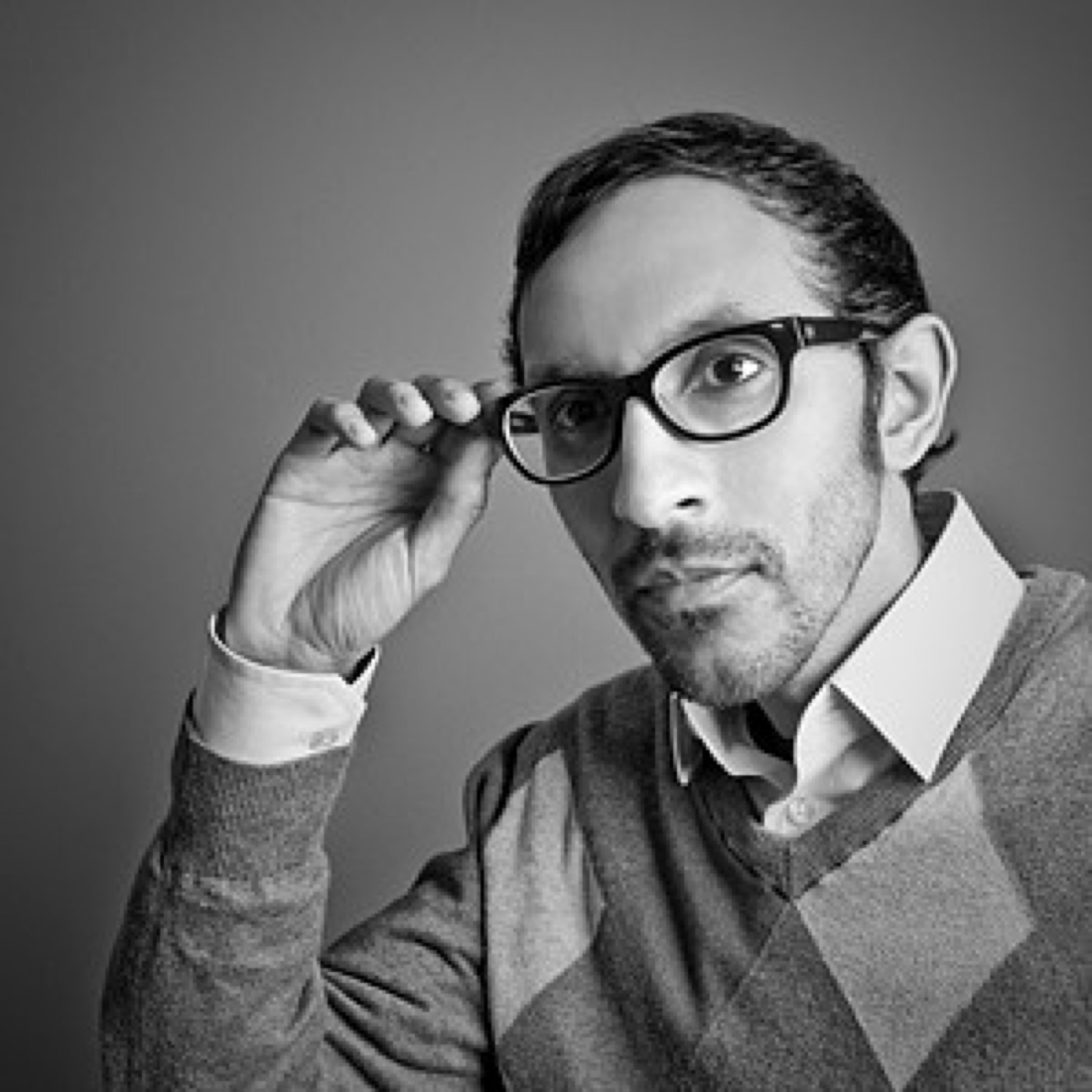
Rishi Kaneria
A human-centered design leader who brings empathy and data together to make complicated products feel intuitive to the people using them.
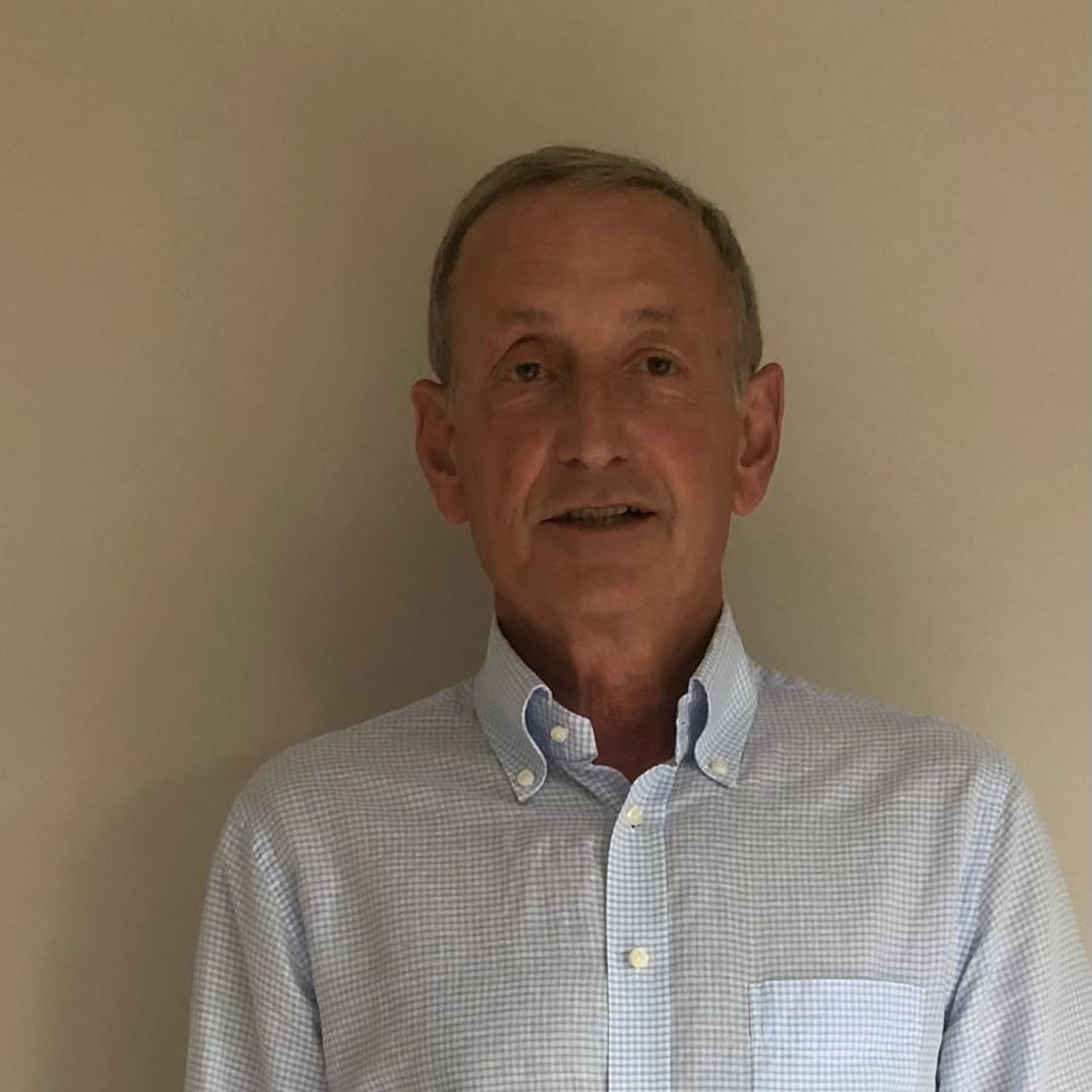
Michael Needleman
A former Accenture partner who brings the perspective of building strategy, organizations and systems at scale, and knowing what has to happen beyond the idea.
Frequently asked questions
What is trialport?
trialport is a clinical trial navigation and decision-support platform designed to help people find, understand, and think through clinical trial options. We bring study information together in one place, explain it in clearer language, and provide tools that help people consider both potential medical fit and what taking part could mean for their everyday life.
Our role is to help people understand their options and ask better questions. We do not make medical decisions or tell anyone whether they should take part in a clinical trial.
Why was trialport created?
Clinical trials can be difficult to find and even harder to understand. Important information is often spread across different registries, websites, documents, and organizations, while the practical reality of taking part can be difficult to see until much later in the process.
trialport was created to change that starting point.
We believe people should be able to understand what a clinical trial is asking of them before they are expected to make decisions about it. That means looking beyond whether someone may be medically eligible and helping them think about the time, travel, appointments, support, uncertainty, and impact on everyday life as well.
Who is trialport for?
trialport is built first and foremost for people considering clinical research and the families and caregivers supporting them.
It is also designed to work alongside the organizations involved in that journey, including patient charities and advocacy groups, clinical research sites, healthcare organizations, and biopharma companies.
Each group sees trialport from a different perspective, but the goal is the same: to make clinical trial information easier to understand and help people and study teams begin conversations from a better-informed place.
Is trialport a clinical trial recruitment company?
No. trialport is not designed to persuade people to join a particular clinical trial or to steer them toward one sponsor’s study.
We provide a way for people to explore available studies, understand the differences between them, and decide which, if any, they want to explore further.
When someone chooses to connect with a research site, the clinical study team takes over the clinical conversation and determines whether that person is eligible to participate.
Does trialport favor the studies of companies that work with you?
No. trialport is designed around giving people access to clinical trial options rather than presenting only studies from companies that work with us.
Some sponsors work with trialport to provide additional information, services, or support around their studies, but that does not remove other relevant trials from a person’s search.
We believe people should be able to see their options and make their own informed choices.
Where can I find trialport?
You can access the trialport hub directly online, and you may also find it embedded on a growing number of trusted charity, patient community, and advocacy websites.
trialport works with organizations ranging from grassroots patient communities to larger national and global groups, helping bring clinical trial information into places where people already go for information, healthcare, and support.
Our network continues to grow as we work with more patient organizations, research sites, and healthcare partners.
How does trialport protect people’s privacy and choices?
You can explore clinical trial information without sharing personal details or committing to anything.
If you decide that you want to connect with a research site, you choose what information to provide and consent to it being shared. Information provided as part of that inquiry is shared with the relevant research site so that its team can follow up with you.
Looking at a clinical trial does not mean you have decided to take part. Every step begins with understanding, and every decision stays with you.
What makes trialport different?
Most clinical trial searches begin with a simple question: “Am I eligible?”
We think there is another question that matters just as much: “Does this make sense for me?”
trialport combines clearer clinical trial information with medifit™, which helps people reflect on how closely they may fit a study’s medical eligibility criteria, and readifit™, which helps them think through what participation could mean for their life.
Together, these tools help people consider more of the picture earlier, before they, their families, and clinical research teams invest significant time in the process.
The aim is simple: better understanding at the beginning, so everyone can make better use of what comes next.
Does trialport cost money to use?
No. trialport is free for patients, families and community organizations. The platform is funded by commercial partners. This does not change your choice or your control over your information.
How does trialport use AI?
trialport uses AI to help turn clinical trial information into clearer, plain-language summaries. For some studies, AI may also help process study documents and eligibility information. Uploaded documents are stored for 30 days or less and then deleted.