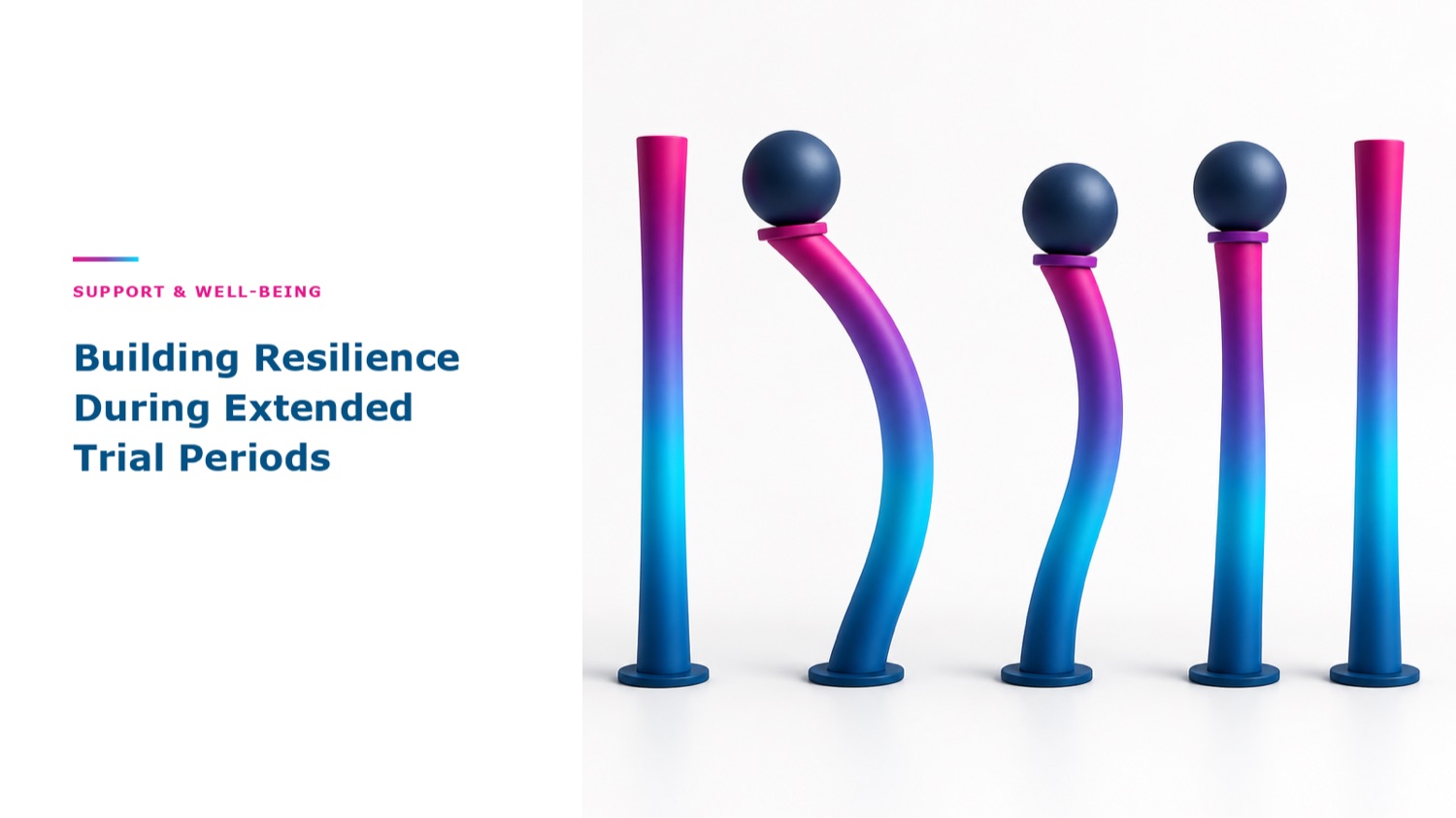
A trial that runs for years asks something different of you than a study that ends in six weeks. The physical demands are only part of it; the harder test is often emotional, as early motivation fades and results stay out of sight. Patient resilience is what carries people through that middle stretch, and it can be built rather than simply hoped for.
Long-term trials are how researchers come to understand complex diseases and develop treatments for them. The extended timeline, though, can lead to stress, burnout, or emotional fatigue. Trials that plan for psychological support and well-being from the start help prevent these struggles rather than react to them. For trial coordinators, the resilience of participants deserves as much attention as the clinical endpoints.
Fostering Connection and Community
One of the most powerful tools for maintaining emotional resilience is connection. When you feel like you’re part of a community, the feelings of isolation that often accompany extended clinical trials are reduced. You can benefit from peer support groups, either in person or online. These groups help you feel a sense of belonging because they allow you to share experiences with others who also understand the challenges that you are facing.
Healthcare teams also play a central role. Open communication from care providers builds your trust and confidence in them. Regular check-ins, whether virtual or in person, reassure you that you are not navigating this process alone. These conversations can also identify early signs of stress or disengagement, allowing interventions before challenges become overwhelming.
Caregiver involvement is another way to strengthen patient resilience. Support from family and friends further equips you to manage the ups and downs of long trials. Caregiver participation can lighten your emotional load, helping you stay engaged and motivated. Caregivers also provide practical help, such as coordinating schedules or helping you stay organized with trial-related tasks.
Organizations that run long-term trials also build community through platforms for shared storytelling. You can share your journey through blogs, videos, or social media to offer encouragement to others and learn from their experiences as well.
Building Patient Resilience with Personalized Strategies
Emotional resilience is not a one-size-fits-all concept. Each person brings unique strengths, challenges, and coping mechanisms to long-term trials. A personalized approach gives you a better chance of having the resources you actually need.
Mindfulness and stress management techniques are highly effective in maintaining emotional balance. Practicing mindfulness through meditation, journaling, or gentle exercise will help you process your emotions and stay present. These activities also provide you with practical ways to counteract the frustration or impatience you may experience during a prolonged study.
Access to mental health professionals, such as counselors or therapists, creates a safety net for you. These experts can offer guidance that is tailored to you and to the emotional challenges you face in long-term trials. Proactive mental health resources are a signal that your emotional well-being is a priority. Additionally, techniques like cognitive behavioral therapy (CBT) can help you navigate the emotional highs and lows with greater ease.
Resilience-building also requires a focus on your life beyond the trial. You can create a sense of normalcy by maintaining your social connections, hobbies, and routines. These external anchors act as a buffer against stress, reminding you that your identity extends beyond the trial.
Sustaining Motivation During Long-Term Trials
Staying motivated through months or years of participation can be a daunting task. You may question the depth of your commitment or feel disheartened by the lack of immediate results. Researchers share responsibility here: creating a sense of purpose and value for each participant helps counter these doubts.
Regular updates about the study’s progress show how your participation contributes to the bigger picture. Stories of completed milestones can reignite enthusiasm and reaffirm the importance of your role. Hearing how similar trials have led to real treatments gives that role concrete meaning.
Celebrating small wins also boosts morale. You feel recognized and appreciated when your individual or group achievements are acknowledged. Small incentives, like thank-you notes or personalized progress summaries, can even have a positive impact. Institutions that are running trials may consider small virtual events or recognitions to strengthen the sense of community for you.
Another effective way to boost your resilience is goal-setting. When you set short-term personal objectives that are tied to your trial participation, you will experience a sense of control and focus. These seemingly small achievements are a regular source of motivation that helps you stay committed through challenging moments. Goals could include a specific medication schedule or tracking wellness metrics like sleep or nutrition.
Trial coordinators also use motivational tools like gamification. This tool turns participation milestones into achievements or offers you a progress dashboard. This approach breaks down long-term goals into smaller, more manageable steps. A visualization of your progress will help you remain invested in your journey.
The Importance of Practical Support
Practical assistance is just as crucial as emotional support in long-term trials. We know that barriers like travel, financial strain, or time constraints can erode patient resilience. Your stress is reduced and you can focus on your health and trial participation when trial coordinators address these concerns.
Transportation options or monetary travel reimbursements make sure trial access isn’t limited by geography or income. Remote options like telehealth visits or home-based data collection simplify logistics and lower your burden. These measures also extend trial accessibility to rural or underserved populations, which in turn increases diversity and inclusivity in research.
Clear, accessible communication is another important facet of support. You should always feel like you can reach out to trial coordinators with questions or concerns. Timely, transparent responses build trust with you and alleviate unnecessary stress. Regular updates on what to expect at each stage of the trial further minimize your anxiety and create an environment of predictability.
You also benefit from having clear expectations about the trial timeline and requirements. When you know what lies ahead, you can mentally and emotionally prepare for each phase, which reduces your anxiety about the unknown. Trial sponsors can go the extra mile and create resource kits with schedules, FAQs, and contact information to help you feel well-prepared.
Resilience begins with knowing what you are signing up for. If you are weighing a long study, the medifit™ + readifit™ self-reflection tools ask two questions worth answering first: Is this trial right for my health? Is this trial right for my life?
About the author
Keith Berelowitz has spent more than twenty years watching clinical trials work on paper and struggle in real life. He has helped run studies, advises sponsors and CROs on how they engage with people, and chairs a UK research ethics committee, where consent forms and participant information sheets cross his desk every month. That vantage point led to one conclusion: most trial problems are not failures of science. They are failures of understanding at the moment a person decides.
He founded trialport, a clinical trial navigation and decision-support platform, to help people weigh a trial in the context of real life rather than on paper alone. Its medifit™ + readifit™ self-reflection tools ask two questions: Is this trial right for my health? Is this trial right for my life? Understanding comes first. Decisions follow.