The Human Algorithm · Season 1 · Episode 5
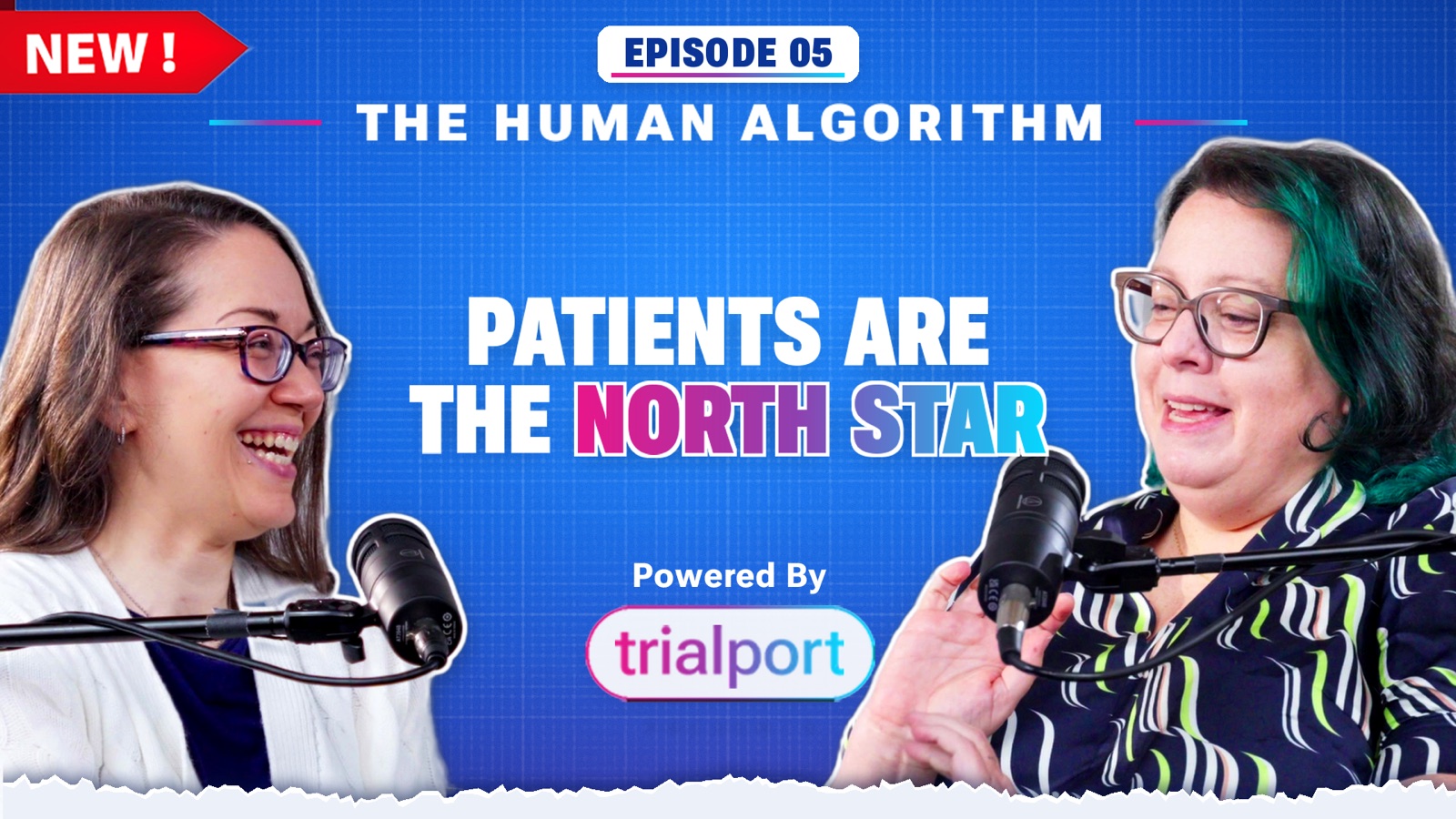
Patients Are Our North Star: Angela Glading
with Angela Glading Alliance to Cure Cavernous Malformation
- 27 min
About this episode
What happens when a lab scientist moves to the patient side of rare disease research? Angela Glading, PhD, Chief Scientific Officer of the Alliance to Cure Cavernous Malformation, joins The Human Algorithm to talk about trading grant deadlines for a different kind of pressure: moving as fast and as responsibly as possible for patients.
Show notes
Angela started studying cerebral cavernous malformation (CCM) as a postdoc and spent two decades in academic research before Alliance CEO Connie Lee asked her to lead the organization’s science. She shares what changed once she got to know patients, why she had to let go of needing to understand every detail, and how the Alliance’s CureDriver Lab aims to de-risk pharma investment by screening repurposed drugs in CCM models.
In this episode
- Seeing the people behind the data
- Why patients are the North Star for every research decision
- Letting go of academic perfectionism to move faster
- Inside the CureDriver Lab: animal and cell models, repurposed drugs, and a resource for industry
- How patient advocacy groups keep scientists motivated
- Teaching, building trust, and making science accessible to patients
Chapters
- 0:00 Intro
- 0:49 Meet Angela Glading
- 2:50 Seeing the people behind the data
- 4:43 The patient stories that stay with you
- 6:42 Why the work matters
- 8:29 Leaving academia: the unexpected challenges
- 9:35 From reductionist science to “what works?”
- 11:06 Patients as the North Star
- 12:43 Inside the CureDriver Lab
- 17:39 Why rare diseases are so hard to study
- 19:58 How advocacy groups keep scientists motivated
- 20:58 Bringing a teacher’s mindset to advocacy
- 23:03 Building trust with patients
- 24:42 Making science accessible to patients
- 26:21 Thank you