The Human Algorithm · Season 1 · Episode 2
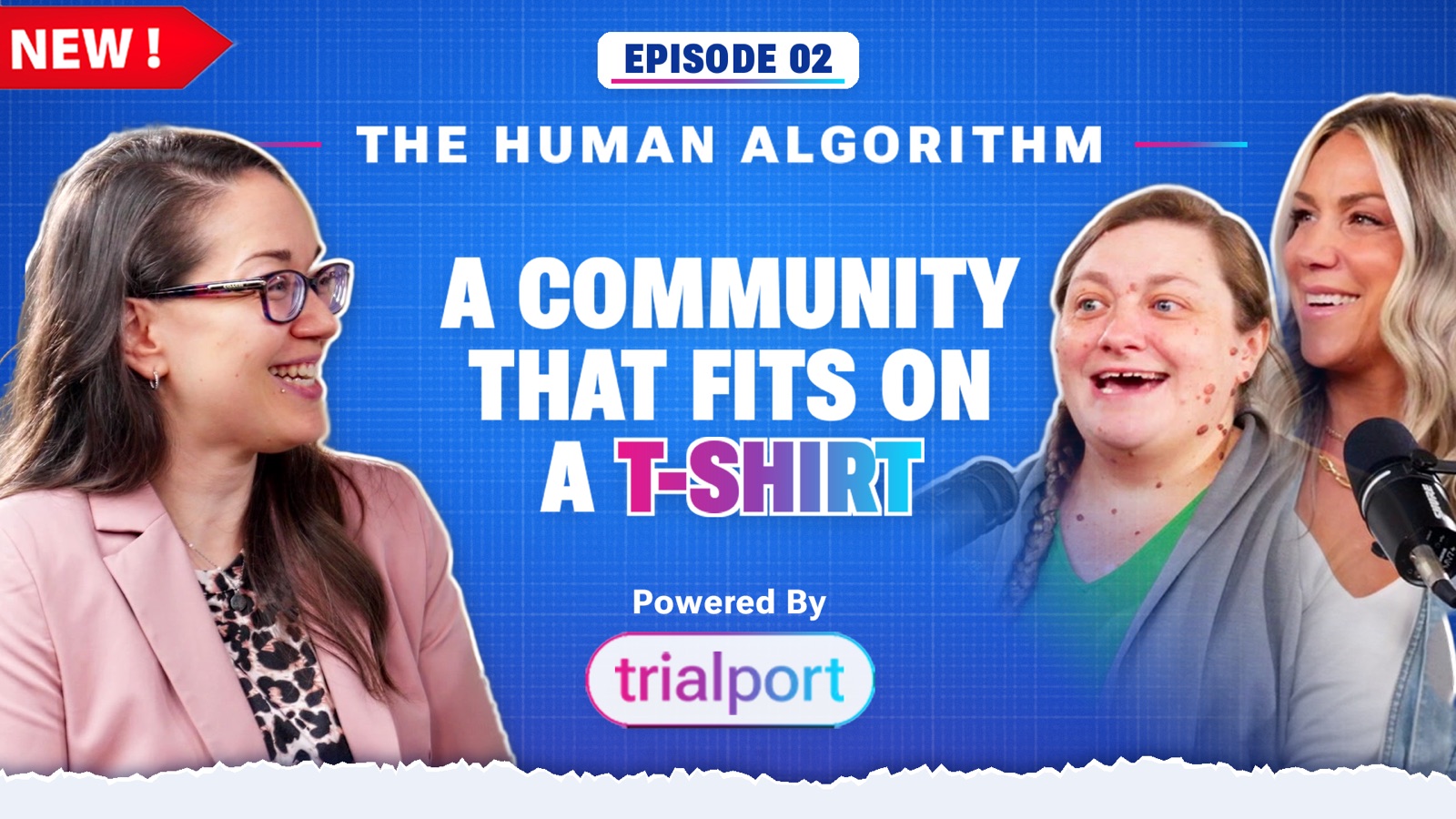
All You Need Is the Next Step: Karen Morici & Emily Durham
with Karen Morici CDG CARE & Emily Durham Channeling Hope Foundation
- 25 min
About this episode
There's no single way to be a rare disease advocate. Karen Morici of CDG CARE and Emily Durham of the Channeling Hope Foundation join The Human Algorithm to share how a parent and a scientist found their way into advocacy, and why every voice counts.
Show notes
Karen was a hairstylist in Chicago with no science background when her son was diagnosed with a congenital disorder of glycosylation (CDG). One phone call from CDG CARE made her feel less alone, and helping other families became her way of healing. Emily always wanted to be a scientist. Research ethics led her to rare disease, and today she helps NALCN families make sense of genetic reports, learn about gene therapy, and get involved in research.
In this episode
- Why patient advocacy isn’t one-size-fits-all
- The gap between what regulators can measure and what actually changes a family’s life
- Why researchers should share data back with the communities they study
- Planning for the unpredictability of rare disease life
- Why patients, families, clinicians, researchers and advocates belong in the same room
- Why every voice matters when your whole community “can be written on the back of my T-shirt”
Chapters
- 0:00 Intro
- 1:03 Meet Emily and Karen
- 2:18 Karen’s story: from hairstylist to advocate
- 5:41 Emily’s story: from aspiring scientist to research advocate
- 8:03 Why community matters
- 9:10 What we measure vs. what matters to families
- 13:12 When the plan doesn’t work
- 16:56 Assumptions they’ve had to unlearn
- 18:56 What listeners should reconsider
- 19:44 Bringing the whole community together
- 20:50 Every voice counts
- 21:25 “All you need is the next step”
- 22:22 What’s the point of awareness?
- 23:53 The power of telling your story
- 24:37 Thank you